
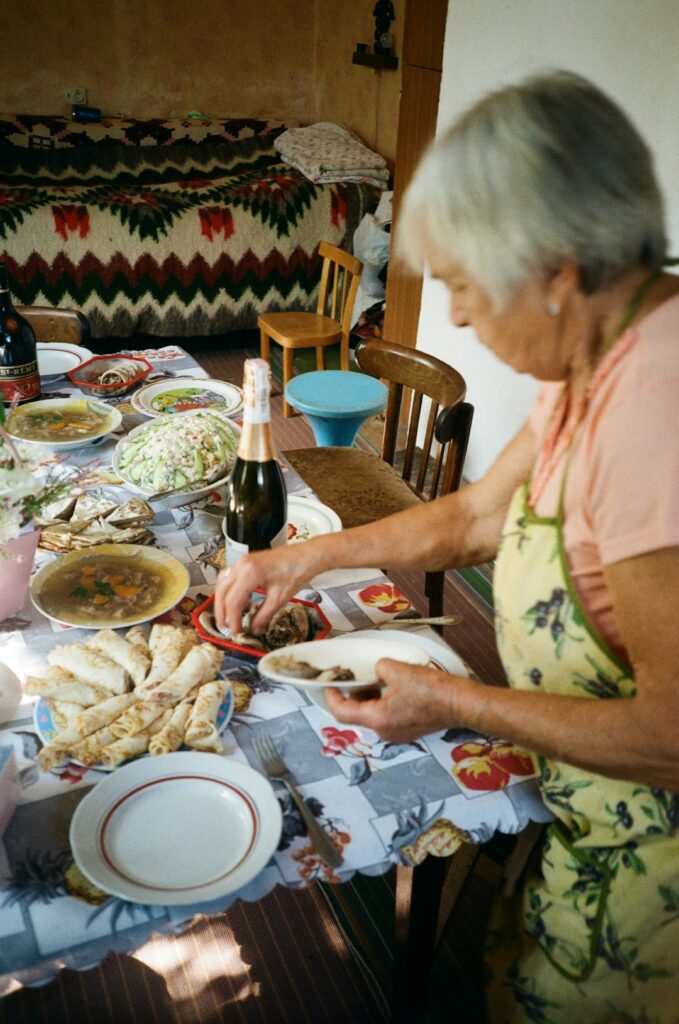
Assisted living should support more than medical needs. For residents in Franklin, PA, respectful care may also include familiar foods, religious practices, cultural routines, preferred language, modesty preferences, and meaningful connections with family or faith communities.
Cultural and religious accommodations are practical arrangements that help residents continue living according to their beliefs, values, customs, and identity. These arrangements should be discussed early, documented clearly, and reviewed when a resident’s health or personal circumstances change.
What are cultural and religious accommodations?
Cultural and religious accommodations are changes or services that help a resident maintain important traditions and practices while receiving care. They may involve meals, personal care, room routines, worship, clothing, communication, or family involvement.
Examples include:
- Providing vegetarian, kosher-style, halal, fasting-friendly, or allergy-sensitive meals when feasible
- Allowing time and privacy for prayer, meditation, scripture reading, or other spiritual practices
- Helping a resident attend worship services or connect with a faith leader
- Respecting preferences about who provides bathing, dressing, or other personal care
- Supporting traditional clothing, head coverings, religious jewelry, or grooming practices
- Offering interpretation or communication support for residents who are more comfortable using another language
- Recognizing important holidays, mourning customs, and family traditions
- Including culturally familiar music, celebrations, decorations, and activities
An accommodation does not need to be elaborate to be meaningful. A quiet space, a preferred meal, or a consistent approach to personal care may make a substantial difference in a resident’s comfort and sense of dignity.
How should residents discuss their needs before moving in?
The best time to raise cultural or religious needs is before admission, but residents and families can bring them up at any point. A written list helps prevent important details from being overlooked during the transition.
Useful questions include:
- Can meals be adjusted for religious, cultural, medical, or personal reasons?
- Is there a private or quiet area available for prayer or reflection?
- How are religious holidays handled?
- Can a resident receive visits from a clergy member, spiritual adviser, or cultural support person?
- Are family members allowed to help with meals, rituals, clothing, or celebrations?
- Can personal care preferences be documented?
- What interpretation or communication support is available?
- How does the community handle fasting, dietary restrictions, or medication timing?
- Are residents allowed to display religious or cultural items in their rooms?
Families should describe what is essential, what is preferred, and what can be adjusted. For example, a resident may need a particular prayer schedule but be flexible about the location. Another resident may require strict avoidance of certain foods because of both religious practice and health concerns.
Why are meals often a central concern?
Food is closely connected to faith, family, health, and identity. Dietary accommodations may involve ingredients, food preparation, meal timing, fasting, utensils, or the separation of certain foods.
A resident may need:
- Meals without pork, beef, shellfish, or other restricted foods
- Vegetarian or plant-based choices
- Foods prepared according to religious or cultural standards
- Familiar textures or seasonings
- Special arrangements during fasting periods
- Assistance with meals that follow customary practices
- Clear labeling to prevent accidental consumption of restricted ingredients
Dietary requests should be reviewed alongside medical needs. A traditional diet may need modification for diabetes, swallowing difficulty, kidney disease, food allergies, or other conditions. The goal is not to dismiss a resident’s tradition, but to find a safe approach that respects both health and personal beliefs.
Families can help by providing a written list of foods that are avoided, foods that are preferred, and acceptable substitutions.
How can religious observance continue in assisted living?
Residents should be able to maintain meaningful spiritual practices as much as their health and safety allow. Religious observance may take place privately, with other residents, or through visits and remote participation.
Support may include:
- A regular time for prayer or meditation
- Access to sacred texts or religious objects
- Assistance with washing, positioning, or mobility related to worship
- Visits from a faith leader
- Transportation or accompaniment for services when available
- Participation in holiday observances
- Privacy during personal spiritual practices
- Access to music, broadcasts, or virtual services

A resident who has dementia or significant physical limitations may still benefit from familiar prayers, music, rituals, or objects. Staff and family members should avoid assuming that a person has stopped valuing religious practices simply because communication or memory has changed.
Seasonal conditions may also affect participation. In Franklin, winter weather, icy walkways, and shorter daylight hours can make outside worship or family travel more difficult. Planning ahead for indoor services, virtual participation, or safe transportation may help residents remain connected.
What about privacy, modesty, and personal care?
Personal care can feel especially sensitive when it involves bathing, dressing, toileting, grooming, or medical treatment. Cultural or religious preferences may affect the resident’s comfort with the gender of a caregiver, exposure of the body, clothing, hair care, or touch.
These preferences should be discussed respectfully and recorded in the care plan. Possible approaches include:
- Requesting a caregiver of a particular gender when staffing permits
- Keeping the resident covered as much as possible during care
- Explaining each step before it occurs
- Allowing extra time for dressing or religious garments
- Respecting hair, beard, head-covering, or grooming practices
- Including a trusted family member in discussions when the resident wishes
Not every request can be guaranteed at every moment, particularly during emergencies or when immediate care is necessary. Even so, clear communication and advance planning can reduce distress and help preserve dignity.
How should staff respond to different beliefs?
Respectful care does not require every staff member to understand every tradition in depth. It does require listening, avoiding stereotypes, and treating the resident as the authority on personal beliefs.
Staff should ask rather than guess. Helpful questions may include:
- “Are there practices that should be part of your daily routine?”
- “Are there foods or ingredients you avoid?”
- “What would help you feel comfortable during personal care?”
- “Are there holidays or observances your family would like us to recognize?”
- “Who should be involved in spiritual or cultural decisions?”
A resident’s preferences may not represent every person in the same religious or cultural group. Individual choice matters. Some residents may want frequent observance, while others may identify with a tradition mainly through food, family customs, music, or holidays.
What should families do if an accommodation is overlooked?
Start with a calm, specific conversation. Describe what was requested, what occurred, and how it affected the resident. Written care instructions can be helpful when several staff members are involved.
If the issue continues, ask for a care-plan review and request that the preference be documented in a visible, consistent way. It may also help to identify a family contact or trusted support person who can communicate changes in the resident’s wishes.
Concerns involving safety, discrimination, refusal to provide reasonable care, or repeated disregard for documented needs may require formal attention. Residents and families can ask about the community’s grievance process and applicable resident-rights protections.
Cultural and religious accommodations work best when they are treated as part of ordinary person-centered care rather than as unusual exceptions. Respect for food, faith, language, clothing, family customs, and privacy helps residents remain connected to the identity and routines they carried with them into assisted living.
