

Moving to assisted living can provide more support, safety, and social connection, but the transition often brings emotional, practical, and physical challenges. For residents and families in Franklin, PA, understanding what may be difficult ahead of time can make the adjustment more manageable.
Why does the move feel emotionally difficult?
The move may represent a major change in independence, privacy, and familiar routines. Even when assisted living is the right choice, a resident may experience sadness, frustration, anxiety, or grief.
A person may be grieving the loss of a longtime home, familiar neighbors, a spouse who has died, or the ability to manage daily tasks without help. These feelings do not necessarily mean the move was a mistake. They are often part of adapting to a new stage of life.
Helpful steps include:
- Allowing time for mixed emotions instead of expecting immediate enthusiasm
- Bringing familiar photographs, books, blankets, artwork, or small pieces of furniture
- Keeping regular contact with family and friends
- Maintaining meaningful routines, such as morning coffee, reading, prayer, music, or outdoor time
- Focusing on specific improvements, such as fewer household chores or easier access to meals
Family members should listen without arguing about whether the move was necessary. Statements such as “You miss your house, and that makes sense” are often more supportive than repeatedly explaining the reasons for the decision.
How can a person maintain independence?
Assisted living provides support, but residents may worry that accepting help means losing control. This concern is common, particularly for people who have managed their own homes and schedules for many years.
Independence does not have to mean doing everything alone. It can also mean making choices about how, when, and where daily activities take place.
Residents can often preserve a sense of control by deciding:
- Which clothing to wear
- How to arrange personal belongings
- When to wake up or go to bed, within safety limits
- Which activities to attend
- How to spend private time
- Which tasks to complete independently and which tasks to accept help with
It helps to discuss preferences clearly and revisit them as needs change. A resident who can safely complete part of a task may benefit from doing that portion independently rather than having the entire activity taken over.
What if the new routine feels restrictive?
Assisted living usually involves shared meal times, medication schedules, activity calendars, and safety procedures. These routines help staff coordinate care, but they may initially feel unfamiliar or inflexible.
A resident may be used to deciding spontaneously when to eat, shop, nap, or visit friends. Seasonal habits can also affect adjustment. In a community with cold winters, icy sidewalks, shorter daylight hours, and changing road conditions may limit outdoor plans more than a resident expects.
Ask which parts of the daily schedule are fixed and which are flexible. It may be possible to:
- Choose from more than one meal option
- Eat in a room or dining area, depending on policy
- Take walks at preferred times
- Continue hobbies during quieter hours
- Arrange transportation for errands or appointments
- Spend time outdoors when weather and safety conditions permit
Knowing the reason for a rule can also make it easier to accept. Safety procedures are not always negotiable, but residents should still receive clear explanations and respectful treatment.
How difficult is it to make new friends?
Social connection does not always happen immediately. A resident may feel shy, tired, uncertain, or uncomfortable joining a group where many people already seem familiar with one another.
Some activities may not match a person’s interests. Large gatherings can also be overwhelming for someone with hearing loss, vision problems, memory changes, or social anxiety.
Starting with low-pressure contact is often easier than attending a crowded event. Examples include sitting near others during a meal, joining a small card game, talking with a neighbor, or attending an activity for only part of the time.
Family members can help by learning the resident’s interests and encouraging activities that fit previous habits. A person who never enjoyed large group games may prefer gardening, music, conversation, crafts, puzzles, or helping with a small shared task.
Building relationships takes time. A quiet first month does not necessarily indicate long-term isolation.
What happens when health needs change?
A resident’s care needs may increase after the move. Changes can involve mobility, memory, continence, medication management, nutrition, or the ability to complete personal care.
This can be difficult because the resident may feel embarrassed or fear that additional assistance will lead to another move. Families may also be uncertain about which level of support is appropriate.
Care needs should be reviewed whenever there is a noticeable change, such as:
- Repeated falls or near-falls
- Missed or duplicated medications
- Unplanned weight loss
- Increasing confusion
- Trouble bathing, dressing, or eating
- New difficulty using a walker or wheelchair
- Withdrawal from normal activities
- Frequent nighttime wandering or disrupted sleep
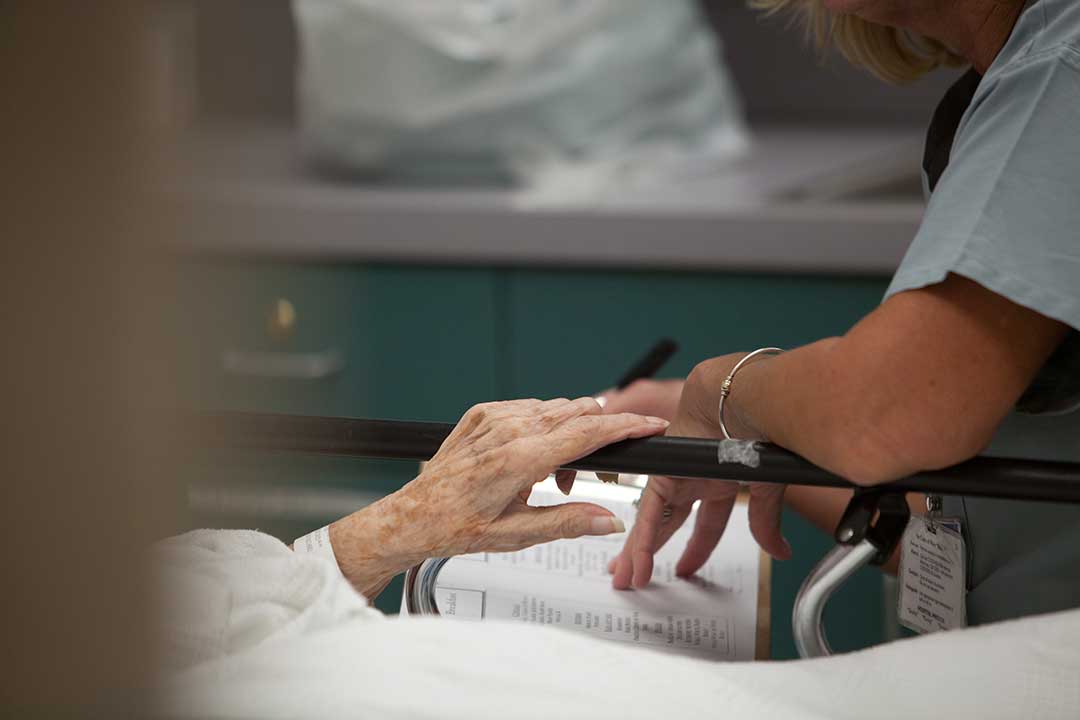
A change in ability should not automatically be treated as stubbornness. Pain, infection, medication side effects, depression, dehydration, and poor sleep can sometimes cause sudden changes. Medical evaluation may be needed when symptoms appear quickly or seem unusual.
How can families avoid communication problems?
Families and residents may have different expectations about visits, updates, spending, privacy, and decision-making. Relatives may want frequent information, while the resident may want more privacy. A family member may also assume that staff will notice every small change, even though communication systems vary.
Before or soon after the move, clarify:
- Who should receive routine updates
- Who may participate in care discussions
- How urgent concerns will be communicated
- Which decisions remain with the resident
- What information the resident wants shared
- How often family visits or phone calls are realistic
Written notes can reduce confusion, especially when several relatives are involved. A simple list of medications, medical contacts, preferences, and questions may also help during care discussions.
The resident’s voice should remain central whenever the person can make informed decisions. Family involvement should support the resident’s choices rather than replace them automatically.
What practical details are easy to overlook?
The move often involves more than packing clothes. Small details can affect comfort, safety, and confidence.
Useful items to review include:
- Properly labeled clothing and personal belongings
- Comfortable, secure footwear
- Glasses, hearing devices, chargers, and backup batteries
- A current medication list
- Emergency contacts and medical information
- Preferred personal-care products
- Furniture placement that leaves clear walking paths
- A plan for mail, bills, valuables, and important documents
- Transportation arrangements during poor weather
Avoid bringing too many belongings at once. A crowded room can increase fall risks and make it harder to find important items. It may be easier to begin with essentials and add personal items after the resident learns how the space is used.
When should a move be reconsidered?
Adjustment problems do not automatically mean assisted living is unsuitable. However, ongoing concerns deserve attention when a resident is persistently unsafe, severely distressed, unable to receive needed care, or experiencing a major decline that exceeds the available level of support.
Warning signs may include repeated injuries, unmanaged medical symptoms, severe weight loss, frequent distress, or care needs that cannot be safely met. These concerns should be discussed with the appropriate care team and the resident’s medical decision-makers when necessary.
The goal is not to force a perfect transition. The goal is to create a living arrangement that respects dignity, supports safety, and allows as much choice as the resident’s abilities permit.
