
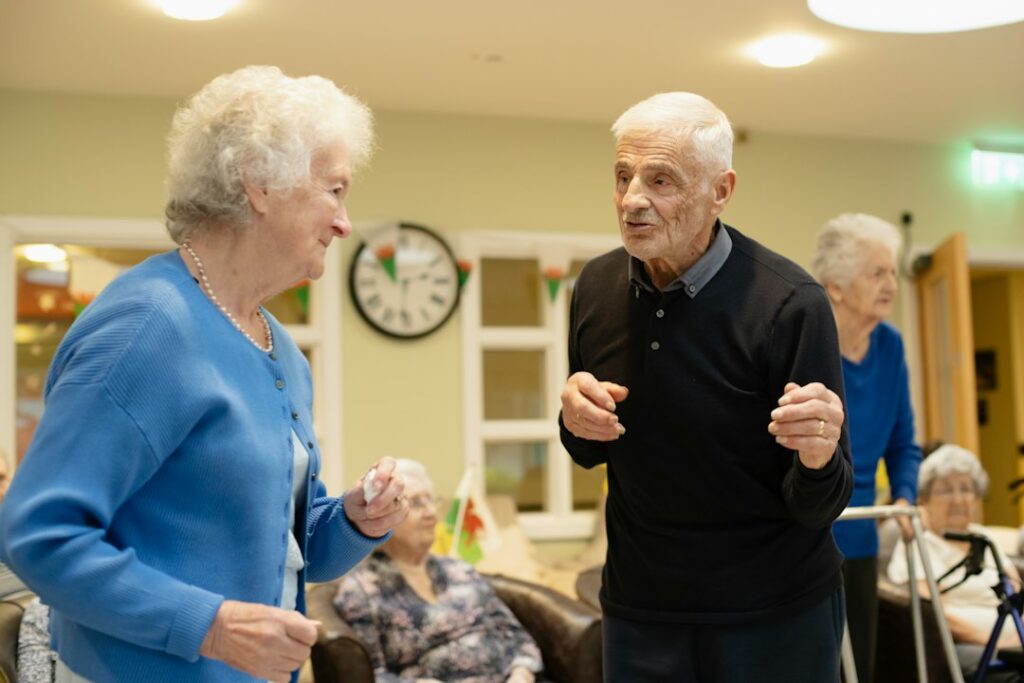
Assisted living disagreements can involve residents, roommates, families, visitors, or staff. Many conflicts begin with ordinary concerns—noise, privacy, schedules, shared spaces, personal belongings, or differences in care expectations—but they can become more serious if concerns are ignored.
The safest approach is to respond early, speak respectfully, document what happened, and use the residence’s complaint process when informal discussion does not resolve the issue.
What kinds of conflict occur in assisted living?
Most disagreements fall into a few common categories:
- Roommate concerns: Noise, television volume, lighting, visitors, room temperature, sleeping schedules, or use of shared furniture.
- Daily routine disputes: Bathing times, meals, transportation, activities, medication reminders, or assistance with mobility.
- Privacy and personal boundaries: Entering a room without permission, handling belongings, unwanted visitors, or repeated interruptions.
- Family disagreements: Relatives may disagree about care decisions, spending, communication with staff, or how often they should visit.
- Resident-staff misunderstandings: A resident may feel rushed, ignored, embarrassed, or spoken to disrespectfully.
- Community tensions: Conflicts can develop around dining tables, elevators, hallways, shared lounges, or outdoor areas.
Cognitive changes, hearing loss, pain, poor sleep, medication effects, and frustration about losing independence can make disagreements more difficult. These factors may explain behavior, but they do not excuse abuse, threats, intimidation, or neglect.
What should a resident do first?
The first step is to pause and identify the specific problem rather than trying to settle every complaint at once. A clear description is more useful than a general statement such as “Nobody respects me.”
A resident might say:
- “The television is kept loud after 10 p.m., and I cannot sleep.”
- “My belongings were moved without my permission.”
- “I need more time to finish meals safely.”
- “I would like staff to explain changes before they happen.”
Choose a calm time to discuss the issue. Use “I” statements, describe the effect of the behavior, and request a practical change. Avoid insults, threats, accusations, or arguing in a crowded common area.
For example: “I feel anxious when people enter my room without knocking. Please knock first unless there is an emergency.”
If direct conversation feels unsafe or has already failed, the resident does not need to continue handling the dispute alone. A trusted family member, designated representative, social worker, administrator, or other support person may help communicate the concern.
How can roommate conflict be handled?
Roommate problems often improve when expectations are made specific. A short written agreement or care-team discussion can address:
- Quiet hours and television use
- Lights, curtains, and room temperature
- Visitors and personal conversations
- Storage of clothing, food, and mobility equipment
- Bathroom routines
- Overnight safety checks
- Shared furniture and personal space
The goal is not for one person to control the room. It is to create predictable boundaries that respect both residents.
Staff may be able to adjust seating, activity arrangements, routines, or room assignments when appropriate. A room change is not always immediate or possible, but repeated disruption, harassment, or safety concerns should be reported rather than tolerated.
Seasonal conditions may also affect comfort. During cold weather, residents may disagree about windows, heating, blankets, or time spent outdoors. Clear communication about comfort and safety can prevent these concerns from becoming personal arguments.
What if the conflict involves staff or care?
A concern about care should be described with dates, times, requested assistance, and what occurred afterward. This is especially important when the issue involves missed care, delayed response, medication questions, food concerns, personal hygiene, mobility assistance, or disrespectful treatment.
A useful record may include:
- The resident’s name and room number
- The date and approximate time
- The people involved
- What was requested
- What response was given
- Any injury, missed service, distress, or other effect
- The steps already taken
Keep copies of written complaints and responses. Ask who is responsible for reviewing the concern and when an answer is expected.
Pennsylvania assisted living residences are required to have a complaint process. Residents may make oral or written complaints, and a residence must respond without retaliation or threats of discharge. If a resident needs help putting a complaint in writing, the residence should provide assistance.

When is a disagreement actually abuse or neglect?
Not every unpleasant interaction is abuse, but certain conduct requires immediate attention. Warning signs include:
- Hitting, pushing, grabbing, or other physical aggression
- Threats, intimidation, humiliation, or repeated verbal abuse
- Unwanted sexual contact
- Deliberate isolation or punishment
- Taking money, property, medications, or personal documents
- Ignoring essential care needs
- Preventing communication with family, advocates, or outside agencies
- Retaliation after a complaint
A resident who is in immediate danger should seek emergency help and move to a safer location if possible. Suspected abuse, neglect, exploitation, or serious safety violations should be reported promptly to the residence administrator and the appropriate public authority. A conflict should not be treated as a simple personality difference when someone may be at risk.
What role can family members play?
Family members can help most by listening before assuming what happened. A resident may want support without wanting a relative to take over the conversation.
Before raising a concern, ask:
- What outcome would make the situation better?
- Does the resident want to be present?
- Who should receive the complaint?
- Is the concern about preference, service quality, safety, or a legal right?
- Are there records, messages, or witnesses that clarify what occurred?
Family members should avoid confronting another resident directly, especially in a hallway or dining area. Staff can address roommate or community disputes more safely and consistently.
If several relatives are involved, choosing one primary contact can reduce conflicting instructions and repeated explanations. The resident’s preferences and privacy should remain central unless decision-making authority has legally changed.
What outside help is available in Pennsylvania?
Residents do not have to rely only on the residence’s internal process. Pennsylvania residents may seek assistance from the Long-Term Care Ombudsman Program, which helps address quality-of-life and long-term-care concerns involving assisted living residences and personal care homes.
A resident or family member may also contact the state licensing agency about concerns involving resident rights, care, safety, or facility operations. The local Area Agency on Aging may help explain options, assist with a dispute, or connect a resident with the appropriate resource.
Pennsylvania resident rights include dignity, privacy, freedom from abuse and retaliation, communication with family and advocates, and the ability to file complaints or appeals. These rights apply even when a resident is frustrated, difficult to communicate with, or dependent on others for daily assistance.
How can future conflicts be prevented?
Prevention begins with clear expectations before a disagreement develops. Residents and families should review the resident-residence contract, house rules, service plan, visiting procedures, emergency practices, and methods for reporting concerns.
It also helps to discuss changes early. A new roommate, altered meal schedule, worsening mobility, hearing difficulty, or increased need for assistance can create tension if others do not understand what has changed.
Respectful conflict resolution does not require every person to agree. It requires a fair process, attention to safety, and a practical effort to protect each resident’s dignity and daily quality of life.
