
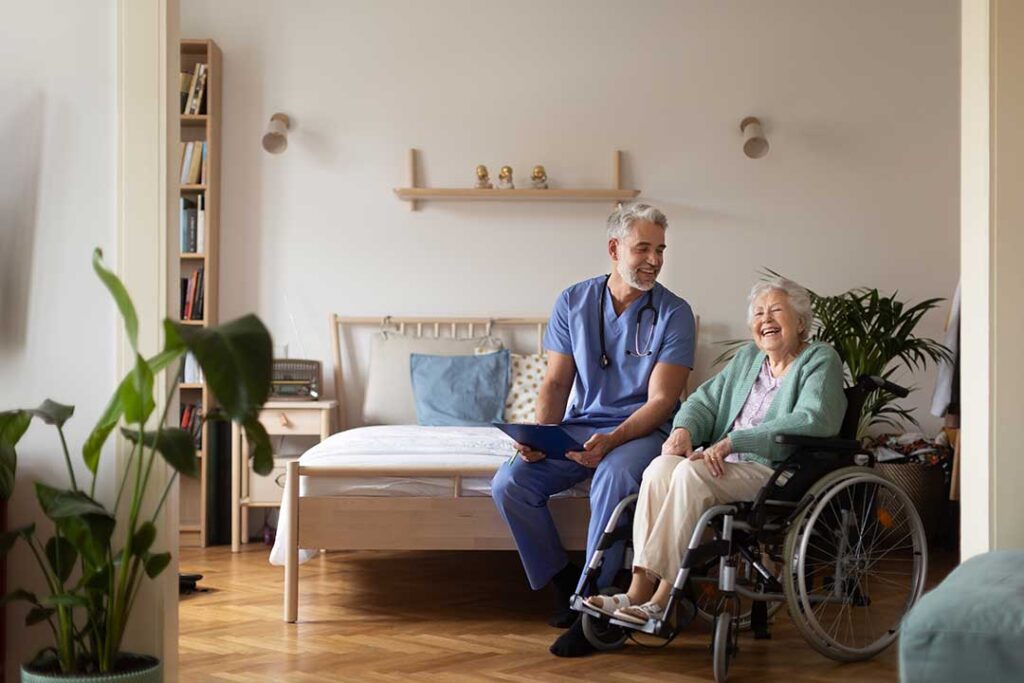
Healthy aging in assisted living is not about preventing every change associated with age. It is about supporting strength, safety, independence, connection, and quality of life through manageable daily habits. For residents of Franklin, PA, routines may also need to account for cold winters, icy walking surfaces, changing daylight, and the importance of maintaining social contact throughout the year.
What does healthy aging look like in assisted living?
Healthy aging means preserving function and well-being while adapting care and routines as needs change. A resident may still be working toward personal goals, learning new activities, managing chronic conditions, or building friendships.
The most useful approach is usually consistent rather than extreme:
- Move safely each day.
- Eat enough nutritious food and drink adequate fluids.
- Protect sleep and maintain a regular schedule.
- Keep medical information and medications organized.
- Stay socially and mentally engaged.
- Speak up early about pain, weakness, dizziness, sadness, or changes in memory.
These habits can support daily activities such as dressing, walking, transferring from a chair, and participating in community life.
How much physical activity is appropriate?
Most residents benefit from regular movement, but the right activity depends on health conditions, balance, strength, and medical guidance. Physical activity can improve sleep, mood, endurance, balance, and the ability to perform everyday tasks. Older adults may benefit from a combination of aerobic activity, muscle strengthening, and balance exercises. ([nia.nih.gov](https://www.nia.nih.gov/health/exercise-and-physical-activity/health-benefits-exercise-and-physical-activity?utm_source=openai))
Movement does not have to mean a formal workout. Appropriate options may include:
- Walking in an indoor hallway or other safe area.
- Repeatedly standing from a sturdy chair, if safe.
- Light resistance exercises using bands or small weights.
- Seated leg lifts, arm movements, or ankle exercises.
- Balance activities performed while holding a stable surface.
- Gentle stretching after the body is warm.
Residents should stop and report chest pain, severe shortness of breath, faintness, new weakness, or unusual pain. A fear of falling should not lead to complete inactivity; avoiding movement can contribute to muscle loss and reduced confidence. A safer plan may include supervision, an assistive device, or exercises adapted to a seated position.
What eating habits support strength and energy?
A nutritious diet for older adults includes a variety of vegetables, fruits, whole grains, protein foods, dairy or fortified alternatives, and healthy fats. Adequate protein is particularly useful for maintaining muscle, while fluids help support circulation, digestion, alertness, and temperature regulation. ([nia.nih.gov](https://www.nia.nih.gov/health/healthy-eating-nutrition-and-diet?utm_source=openai))
Some residents eat less because of reduced appetite, changes in taste, dental problems, swallowing difficulty, constipation, medication side effects, or feeling discouraged at mealtimes. These concerns deserve attention rather than being dismissed as a normal part of aging.
Helpful steps include:
- Choosing protein foods such as eggs, beans, fish, poultry, yogurt, or other suitable options.
- Keeping water within reach and drinking regularly unless fluid restrictions apply.
- Reporting difficulty chewing or swallowing.
- Mentioning an ongoing loss of appetite or unintended weight loss.
- Asking whether meals can be adjusted for allergies, diabetes, low sodium needs, or other medical conditions.
Supplements should not be added automatically. Some vitamins and minerals can interact with medications or be unsafe in excessive amounts.
How can residents reduce their risk of falling?
Falls are not an inevitable part of aging. Strength and balance exercises, medication reviews, vision checks, proper footwear, and safer surroundings can reduce risk. The CDC specifically recommends discussing dizziness or sleepiness from medications with a health care professional and considering strength and balance activities. ([cdc.gov](https://www.cdc.gov/falls/prevention/index.html?utm_source=openai))
Residents can help prevent falls by:
- Using prescribed walkers, canes, or other mobility aids correctly.
- Wearing well-fitting shoes with secure backs and nonslip soles.
- Keeping frequently used items within easy reach.
- Using adequate lighting, especially between the bedroom and bathroom.
- Moving carefully from lying down to sitting and then standing.
- Reporting loose flooring, wet areas, poor lighting, or obstacles.
- Asking for assistance rather than rushing when tired, dizzy, or unsteady.
A fall should be reported even if there is no obvious injury. Pain, confusion, headache, or difficulty bearing weight may appear later. A medication review may also be useful because some prescription and over-the-counter medicines can contribute to dizziness, drowsiness, or poor balance. ([cdc.gov](https://www.cdc.gov/steadi/hcp/clinical-resources/pharmacy-care.html?utm_source=openai))
Why do sleep and daily routines matter?
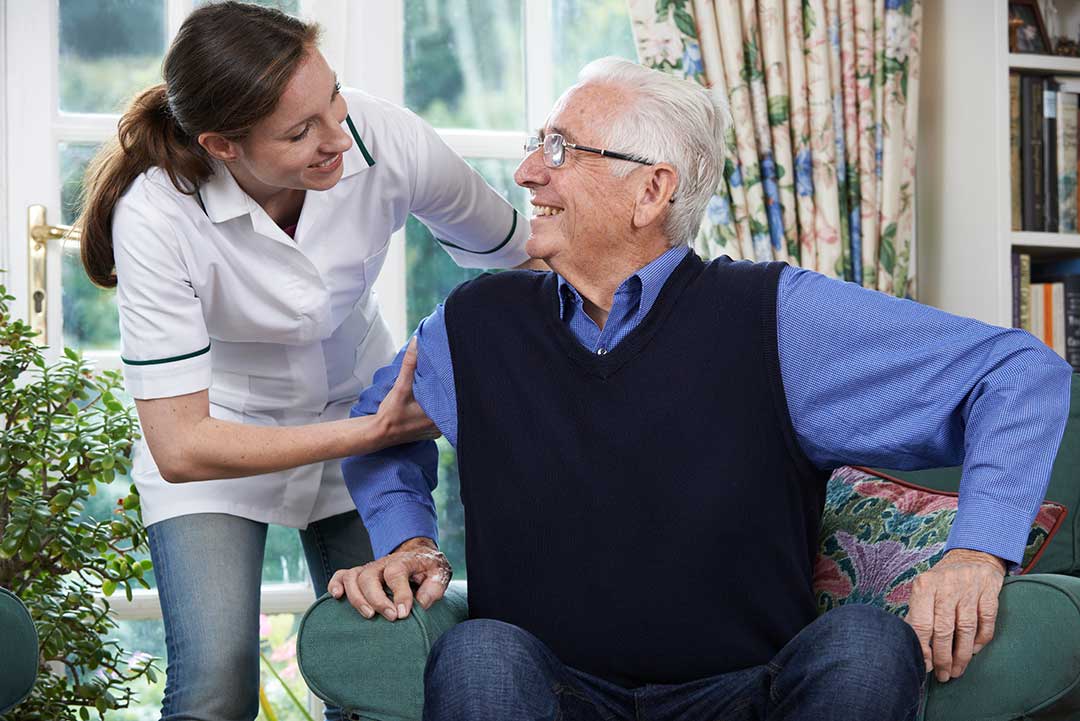
Older adults generally still need about seven to nine hours of sleep, although sleep may become lighter or more interrupted with age. Poor sleep can affect attention, mood, memory, and fall risk. ([nia.nih.gov](https://www.nia.nih.gov/health/sleep/sleep-and-older-adults?utm_source=openai))
A regular routine may help:
- Wake up and go to bed at similar times.
- Get natural light earlier in the day when weather and mobility allow.
- Limit long or late-afternoon naps.
- Avoid caffeine late in the day.
- Keep the bedroom comfortable, quiet, and dark.
- Mention snoring, gasping, persistent insomnia, pain, or repeated nighttime bathroom trips.
Winter darkness and icy conditions in Franklin, PA can make outdoor activity and daylight exposure more difficult. Indoor walking, group activities, and bright, safe common areas can help residents remain active when outdoor conditions are poor.
How can residents protect emotional and mental well-being?
Social connection is a health habit, not merely entertainment. Regular conversations, shared meals, classes, music, games, spiritual activities, creative projects, and visits can provide structure and reduce isolation.
Residents should mention persistent sadness, loss of interest, hopelessness, unusual anxiety, or major changes in memory. Depression may not always look like sadness; it can appear as fatigue, irritability, withdrawal, appetite changes, or reduced participation. Sudden confusion, hallucinations, or a sharp change in behavior should be reported promptly because illness, infection, dehydration, medication effects, or other medical problems may be involved.
Staying mentally active does not require difficult puzzles. Reading, telling stories, organizing photographs, learning a song, discussing local history, or helping with a shared activity can all provide meaningful stimulation.
What health appointments and preventive care should residents track?
Residents and families should keep a current list of medications, allergies, diagnoses, immunizations, specialists, and emergency contacts. Bring questions to medical visits and report changes rather than waiting for a scheduled appointment.
Useful topics to review include:
- Vision and hearing changes.
- Dental discomfort or difficulty swallowing.
- Vaccinations appropriate for age and medical history.
- Bone health and osteoporosis risk.
- Blood pressure, diabetes, and heart conditions.
- Pain that interferes with sleep or movement.
- Changes in balance, continence, appetite, or memory.
Healthy aging is easier when small concerns are addressed before they become emergencies. Residents who notice a new symptom, repeated near-falls, unexplained weight loss, or reduced ability to complete familiar tasks should tell a trusted member of the care team or health care professional.
How can families support healthy aging without taking over?
The most helpful support preserves choice. Family members can ask what the resident wants to improve, help organize questions for appointments, encourage participation, and respect preferred routines.
A useful conversation may begin with: “What would make your day easier or more enjoyable?” The answer might involve walking farther, sleeping better, eating more comfortably, reconnecting with someone, or feeling safer in the bathroom.
Healthy aging is not measured by doing everything independently. It is measured by having appropriate support while continuing to make choices, maintain relationships, and participate in meaningful daily life.
